1 March 2026 · 7 min read · Redaktion webdesignat.ch
Web Design Trends Switzerland 2026: SME Outlook
Web design trends 2026 for Swiss SMEs: AI personalisation, Core Web Vitals, bento layouts, accessibility (WCAG 2.2) and sustainable design.


As we look towards 2026, the digital landscape continues its rapid evolution. For Swiss small and medium-sized enterprises (SMEs), staying ahead of the curve is not just about aesthetics; it’s about creating a web presence that is effective, inclusive, and secure. The coming years will see a deeper integration of technology like artificial intelligence, a renewed focus on user experience fundamentals, and a growing emphasis on ethical considerations such as accessibility and sustainability. Understanding these shifts is crucial for any business looking to connect with its audience and build a resilient digital strategy. This article will explore the key web design trends Switzerland 2026 is expected to embrace, providing practical insights for businesses aiming to thrive online. These trends represent a move towards more intelligent, human-centric, and responsible digital experiences, setting a new benchmark for what users will come to expect from a professional website.
AI Personalisation and Swiss Data Privacy
Personalised Experiences at Scale
One of the most significant shifts we anticipate for 2026 is the mainstream adoption of AI-assisted personalisation. This technology moves beyond basic customisation, such as greeting a user by name. Instead, it leverages machine learning algorithms to analyse user behaviour in real-time, dynamically tailoring the entire digital experience. Imagine a website that reorders its navigation based on a user's past interests, or an e-commerce platform that displays product visuals featuring models that better represent the visitor's demographic profile. AI can create highly individualised user journeys, presenting the most relevant content, services, or products to each person. This level of personalisation can lead to significantly higher engagement, conversion rates, and customer loyalty. Instead of a one-size-fits-all approach, websites will feel more like a personal consultation, guiding users efficiently towards their goals.
Navigating the Swiss Federal Act on Data Protection (FADP)
However, the power of AI comes with significant responsibility, especially within the Swiss legal framework. The revised Federal Act on Data Protection (FADP) sets strict guidelines for how personal data is collected, processed, and used. For businesses implementing AI personalisation, this means transparency is paramount. Users must be clearly informed about what data is being collected and for what purpose. Obtaining explicit consent before tracking behaviour or using data for automated decision-making is crucial. Anonymised data can offer a path to glean insights without infringing on privacy, but true personalisation often requires specific user information. Therefore, a robust data privacy policy and a user-friendly consent management system are no longer optional—they are essential components of any trustworthy digital platform. As Swiss consumers become more aware of their data rights, a commitment to privacy will become a key brand differentiator and a cornerstone of the web design trends Switzerland 2026 will champion.
Evolving UX: Core Web Vitals 2026 and Bento Layouts
The Next Generation of Core Web Vitals
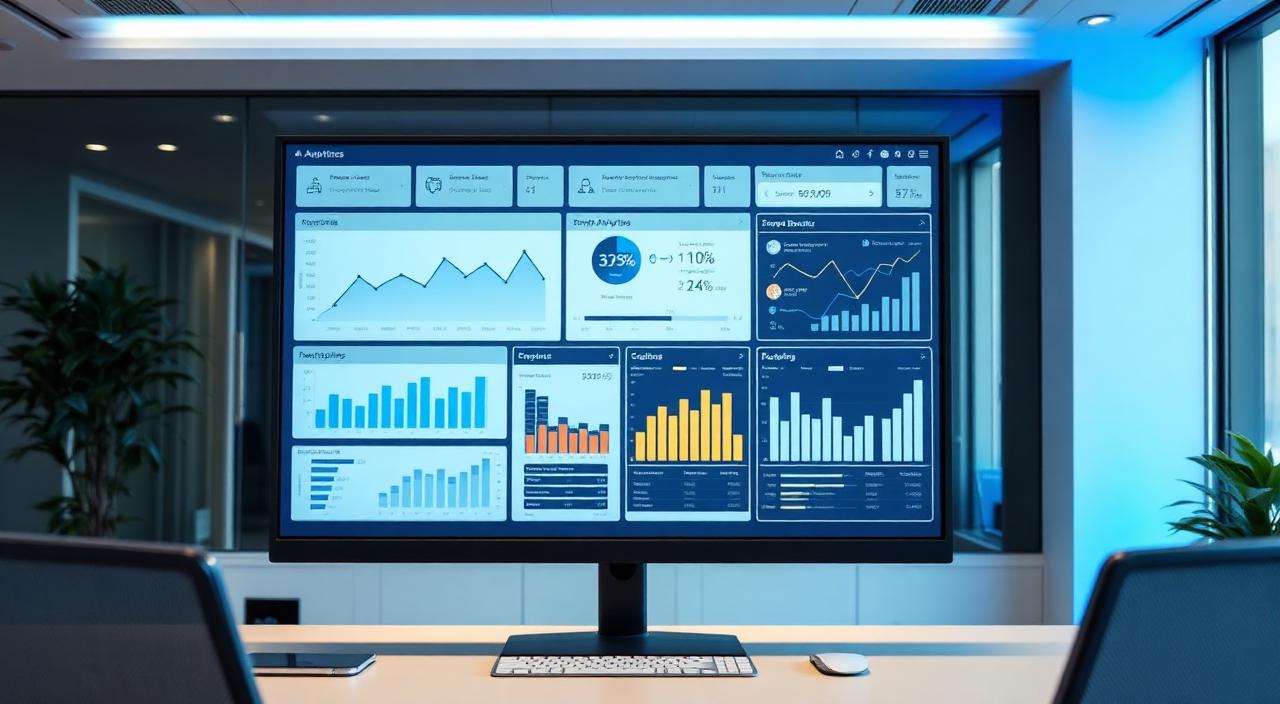
Google's Core Web Vitals (CWV) have already reshaped how we think about website performance, prioritising loading speed (LCP), interactivity (formerly FID, now INP), and visual stability (CLS). As we look to 2026, we can expect these metrics to evolve. Industry experience suggests that future iterations, let's call them 'Core Web Vitals 2026', will likely delve deeper into the quality of the user experience. This could include new metrics for measuring the smoothness of animations and transitions, the efficiency of resource loading beyond the initial page view, and the overall responsiveness of a site across a wider range of devices and network conditions. For Swiss SMEs, this means performance can no longer be an afterthought. A fast, seamless, and non-disruptive experience is a fundamental expectation. Investing in optimised code, modern image formats, and efficient server-side processing will be critical for maintaining high search engine rankings and, more importantly, satisfying user expectations for technical excellence.
Bento Layouts: Organised Creativity
Complementing this focus on performance is the rise of the bento layout. Inspired by Japanese bento boxes, this design trend involves arranging content in a grid-based, modular format. Each 'compartment' of the grid holds a distinct piece of information—a block of text, an image, a data visualisation, or a call-to-action. This approach is exceptionally well-suited for displaying a variety of content on a single screen without overwhelming the user. It provides a clear, organised structure that is easy to scan and navigate, particularly on mobile devices. For businesses, bento layouts are a powerful tool for storytelling, allowing them to highlight key services, showcase portfolio items, and present company values in a visually engaging and digestible way. This structured creativity helps guide the user's attention and makes complex information feel approachable, directly supporting a positive user experience.
Visual Storytelling Through Typography and Micro-interactions
Editorial Typography Takes Centre Stage
In 2026, we expect to see a move away from generic, sterile web fonts towards more expressive and brand-aligned typography. This trend, often called 'editorial typography,' draws inspiration from print magazines and publishing. It involves using bold, characterful, and sometimes oversized typefaces to create a strong visual hierarchy and evoke a specific mood. This isn't just about readability; it's about using type as a core design element to tell a story and build a brand's personality. Variable fonts will play a key role, allowing for fine-tuned adjustments in weight, width, and style, which provides immense creative flexibility while maintaining performance. For Swiss businesses, adopting a unique typographic voice can help them stand out in a crowded market. Whether it’s a traditional serif font for a luxury brand to convey heritage and trust, or a modern sans-serif for a tech startup to signal innovation, typography will be a powerful tool for making a memorable first impression.
Micro-interactions: The Beauty in Small Details
Enhancing the visual narrative are micro-interactions. These are the small, often subtle animations and feedback loops that occur when a user performs an action. Think of a button that changes shape when you hover over it, a satisfying checkmark animation when you complete a form field, or a gentle loading spinner that provides feedback without being intrusive. While seemingly minor, these details are fundamental to a polished and intuitive user experience. They provide immediate, context-relevant feedback, guide users through tasks, and can inject moments of delight into the user journey. By 2026, micro-interactions will be considered a standard component of high-quality web design. They make an interface feel more responsive, alive, and thoughtfully crafted. For SMEs, investing in well-designed micro-interactions demonstrates a commitment to quality and user-centricity, building subconscious trust and making the website feel more engaging and professional.
Digital Inclusivity: Meeting eCH-0059 and WCAG 2.2 Standards
Accessibility as a Business Imperative
Digital accessibility, the practice of ensuring websites are usable by people with disabilities, is evolving from a niche concern to a legal and ethical necessity. For Swiss businesses, this is becoming one of the most important aspects of a modern web presence. Looking towards 2026, compliance with established standards is non-negotiable. The Web Content Accessibility Guidelines (WCAG) 2.2, the latest iteration, introduces new success criteria focused on making navigation easier for users with motor disabilities, cognitive impairments, and low vision. Adhering to these guidelines means creating websites that everyone can use, regardless of their physical or cognitive abilities. This not only expands a business's potential audience but also improves the overall user experience for all visitors. A well-structured, accessible site is typically easier to navigate, faster to load, and better understood by search engines, providing universal benefits.
Learning from Swiss Standards like eCH-0059
In Switzerland, the public sector often leads the way with standards like eCH-0059, which defines accessibility requirements for government websites. While not legally binding for private companies, this standard sets a clear benchmark for excellence. Forward-thinking SMEs should view these guidelines as a best-practice framework. Implementing key principles—such as providing text alternatives for all images, ensuring sufficient colour contrast, enabling full keyboard navigation, and using clear, semantic HTML—demonstrates a strong commitment to social responsibility. As part of the broader web design trends Switzerland 2026 conversation, accessibility is about more than just compliance; it's about inclusivity and building a brand that is welcoming to every potential customer. Proactively adopting these standards is an investment in a durable, equitable, and ultimately more successful digital future. For expert guidance on implementation, consider requesting a consultation through our platform.
Green and Global: Sustainable Design and Multilingual Strategy
The Rise of Sustainable Web Design
Environmental consciousness is deeply ingrained in Swiss culture, and this value is increasingly extending to the digital realm. Sustainable web design, also known as green web design, focuses on reducing the carbon footprint of websites. The internet consumes a vast amount of electricity, and every byte of data transferred contributes to carbon emissions. By 2026, we expect sustainability to become a key consideration in web development projects. The principles are straightforward: efficiency is key. This involves writing lean, optimised code that requires less processing power, compressing images and videos to reduce file sizes, and implementing smart loading strategies so that resources are only loaded when needed. Another critical component is the choice of web hosting. Selecting a provider that powers its data centres with renewable energy can massively reduce a website's environmental impact. Communicating these efforts to users, perhaps with a 'green badge' in the footer, can also resonate strongly with an eco-aware audience and enhance brand image.
Essential Multilingual Capabilities
For any business operating in Switzerland, a multilingual website is not a trend but a fundamental requirement. Serving customers in German, French, Italian, and often English is essential for national reach and inclusivity. A professional web strategy for 2026 integrates multilingual functionality from the ground up. This means using a technical architecture that makes it easy to add, manage, and translate content across different language versions. It also involves considering cultural nuances in design and content for each linguistic region. A well-structured, efficient site—a core tenet of sustainable design—is inherently easier to manage in multiple languages. Clean codebases and optimised content management systems prevent bloat and duplication of effort, making the entire process more streamlined. This synergy between sustainability and multilingual strategy highlights how the best web design trends Switzerland 2026 has to offer are interconnected, promoting efficiency, inclusivity, and a broader market reach.
Building Your 2026 Web Strategy: A Practical Approach
Strategically Adopting the Trends
Navigating the future of web design can feel overwhelming, but it's important to remember that not every trend needs to be implemented immediately. The key for a Swiss SME is to develop a coherent and strategic plan that aligns with its specific business goals, brand identity, and target audience. Start by evaluating your current website against the principles discussed. Is it fast and mobile-friendly? Does it meet modern accessibility standards? How well does it reflect your brand's values? Answering these questions can help identify the most impactful areas for improvement. For instance, a business-to-business consultancy might prioritise building a highly professional and accessible site with strong editorial typography, while an e-commerce store might focus on AI-driven personalisation and seamless micro-interactions to boost sales. The goal is not to chase fleeting fads but to make deliberate investments that deliver tangible value and a strong return on investment.
Partnering for Future Success
Successfully implementing these advanced web design trends requires expertise. From ensuring data privacy compliance with AI tools to optimising for future Core Web Vitals and implementing robust accessibility features, a professional web design agency is an invaluable partner. They can help you craft a long-term strategy, select the right technologies, and execute the vision to the highest standard. A well-built website is one of your most important business assets, serving as your digital storefront, marketing hub, and primary point of customer contact. As user expectations continue to rise, a professional, future-proof website is essential for credibility and growth. If you are ready to prepare your business for what's next and explore how these web design trends Switzerland 2026 can benefit you, we invite you to request free, no-obligation quotes from our network of vetted Swiss web design agencies. It’s the first step towards building a digital presence that is ready for the future.
FAQ
Which 2026 trend is most important for a small Swiss business?
For most small Swiss businesses, the most crucial focuses should be accessibility (WCAG 2.2) and a mobile-first, responsive design. These foundational elements have the broadest impact, ensuring your website is usable by the largest possible audience, including people with disabilities. A clean, fast, and accessible site that works perfectly on a smartphone offers far more value and long-term stability than chasing purely aesthetic trends. Getting the fundamentals right is the best investment.
Is AI-powered personalisation expensive to implement?
The cost varies significantly. A fully custom-built AI engine is a major investment, typically for larger enterprises. However, many modern e-commerce platforms and Content Management Systems (CMS) are integrating AI-personalisation features as built-in tools or affordable plugins. These can analyse user behaviour to recommend products or tailor content without the high cost of a bespoke solution. This makes entry-level personalisation increasingly accessible for SMEs.
What is 'sustainable web design' in simple terms?
In simple terms, sustainable web design is about creating websites that use less energy. This is achieved through efficiency: writing clean code, optimising image and video files to be smaller, and using modern, fast technologies. Another key part is choosing a web hosting provider that runs its data centres on renewable energy. The result is a website that loads faster for users and has a lower carbon footprint, which is better for both business and the environment.
How often should I redesign my website to keep up with trends?
A full redesign is typically needed every 3-5 years, but the focus should be on continuous improvement rather than just following trends. Regularly update your site's technology, content, and user experience based on performance data and user feedback. Instead of a massive overhaul, consider smaller, iterative updates to address accessibility, improve page speed, and refresh visual elements. This approach keeps your site modern and effective without the disruption of frequent large-scale projects.
Ready for your next website?
Compare quotes from vetted Swiss agencies — no commitment.
Request quotes